

I’ll be the first to say it: I use passive voice all the time. Thankfully, this is something that typically happens during a first draft, and not something that I ever let anyone else read. When I was younger, I learned that a sentence was passive if you could add the phrase “by zombies” to the end and have the sentence make sense. Example: The picnic basket was laid out on the grass by zombies. Quite fitting, since I’ve gone on to write horror.
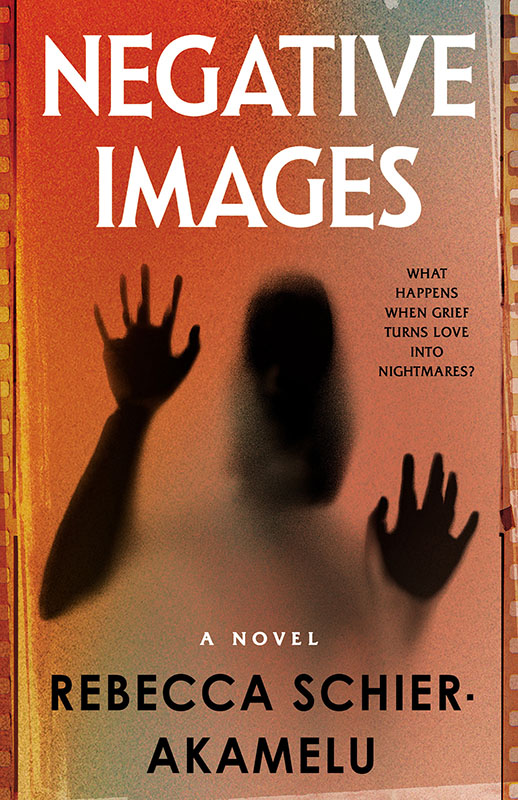
However, passive voice isn’t always that easily identifiable. It was a big surprise when passive voice came up repeatedly during edits for my book, Negative Images.
Now, technically, the sentences themselves weren’t passive. From a grammatical point of view, starting a sentence with “I felt,” “I heard,” or “I saw” isn’t a passive construction. And, depending on the scene, it may feel more natural to begin a sentence this way. When passive voice came up in my edits, my protagonist was usually experiencing something being done to her—she really was in a passive position.
However, my editor rightly pointed out that this creates an unnecessary layer between the reader and what’s happening. Rather than experiencing the action like they were a part of it, they experienced Anita’s narration of what she saw; she put herself between the reader and the action like a tall person who sits in front of you at the movie theater.
I was still annoyed, though, that I hadn’t weeded out this passive voice earlier. Avoiding words like felt, heard, and saw is common writing advice. So how did I mess this up? Believe it or not, I write mostly in the third person. But in Negative Images the hauntings are so personal that I had to write in first person. I didn’t expect this to change my writing very much, but in terms of passive voice, it did. Because Anita told the story from her perspective, it was more difficult to recognize those words creeping in.
My takeaway? Getting an editor’s perspective is crucial. A fresh perspective is incredibly helpful once you’re already several drafts into a project. If you’re experimenting with a new writing style, double check for passive voice. It can be sneaky, and a simple grammar check won’t always catch it.
***
Image courtesy of Freepik
0 Comments